If you've ever experienced a clogged garbage disposal, you know how frustrating it can be. Not only does it prevent you from using your sink, but it can also cause unpleasant odors and even lead to leaks or damage to your disposal.
Fortunately, several methods for unclogging your garbage disposal, both manual and chemical, can help you get your sink back to normal in no time.
Whether you prefer manual methods like using a plunger or drain snake, chemical solutions like baking soda and vinegar, or commercial drain cleaners, plenty of options are available for unclogging your garbage disposal.
By following best practices for disposal maintenance and taking steps to prevent future clogs, you can help ensure that your sink stays clear and functional for years.
Key Takeaways
- Identifying the symptoms of a clogged garbage disposal is the first step in fixing the problem.
- There are both manual and chemical methods available for unclogging your disposal, depending on your preferences and the severity of the clog.
- Regular maintenance and prevention can help keep your garbage disposal functioning properly and prevent future clogs.
Identifying Common Clog Symptoms

If you're experiencing issues with your garbage disposal, it's essential to know the common clog symptoms to identify the problem and take the necessary steps to fix it. Here are some of the most common clog symptoms to look out for:
Slow Draining
If your garbage disposal takes longer than usual to drain, it could signal a clog. This is because the food waste is not being adequately broken down and is instead getting stuck in the pipes. If you notice the water draining slowly, try running hot water down the drain for a few minutes to see if it helps clear the clog.
Odors
If you notice a foul smell coming from your garbage disposal, it could be a sign of a clog. This is because the food waste is not being properly broken down and is instead rotting in the pipes. To get rid of the odor, try running hot water down the drain for a few minutes and then grinding up a lemon or lime in the disposal.
Noises
If your garbage disposal is making strange noises, it could be a sign of a clog. This is because the food waste is not being properly broken down and is instead getting stuck in the blades. If you notice any unusual noises, turn off the disposal immediately and try to remove the clog.
Clog Indicators

If you notice any of the following symptoms, it could be a sign of a clog in your garbage disposal:
- Water backing up into the sink
- A foul smell coming from the drain
- The disposal is making strange noises
- The disposal is not grinding up food waste properly
If you experience any of these symptoms, it's important to take action to fix the problem before it gets worse. With the right tools and techniques, you can easily unclog your garbage disposal and get it back to working properly.
The Causes of Garbage Disposal Clogs

Garbage disposals are an essential part of any modern kitchen, but they can get clogged easily if not used properly. Understanding the causes of clogs is the best way to keep from causing them in the first place.
Food Scraps
Food scraps are one of the most common causes of clogs in garbage disposals. While tossing everything into the disposal is convenient, certain foods can cause problems.
Hard foods like bones, fruit pits, and seeds can damage the blades and make your food disposal clogged. Starchy foods like pasta and rice can also cause issues by expanding and clogging the pipes.
Grease

Another common cause of clogs is grease. Grease can solidify in the pipes and cause blockages. It's essential never to pour grease down the drain. Instead, pour it into a container and dispose of it in the trash.
Foreign Objects
Foreign objects can also cause clogs in garbage disposals. It's essential never to put non-food items into the disposal. This includes silverware, bottle caps, and other small objects that can get stuck in the blades or pipes.
By understanding the causes of clogs, you can take steps to prevent them from happening in the first place. Always run water while using the disposal, and avoid putting hard foods, grease, and foreign objects into it.
Manual Methods for Unclogging Your Disposal
If your garbage disposal is clogged, you can try several manual methods before calling a plumber. Here are three standard methods you can use to unclog your disposal:
Plunging

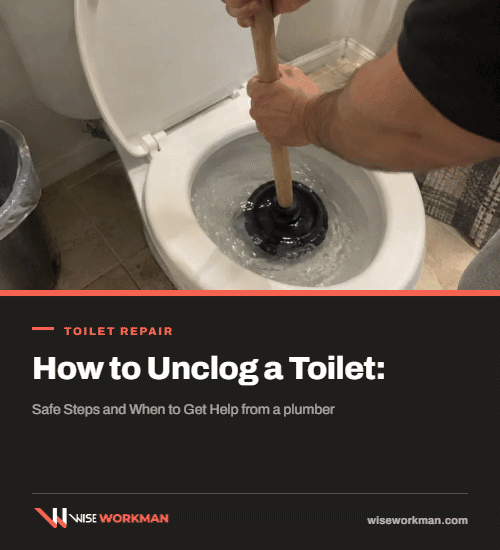
One of the most effective ways to unclog a garbage disposal is to use a plunger. Here's how:
- Fill the sink with enough water to cover the plunger.
- Place the plunger over the drain and pump it up and down rapidly.
- Continue plunging until the water drains out of the sink.
If the plunger doesn't work, try one of the other methods.
Using a Plumber's Wrench
Another way to unclog a garbage disposal is to use a plumber's wrench. Here's how:
- Turn off the power to the disposal.
- Insert the wrench into the hole at the bottom of the disposal.
- Turn the wrench clockwise and counterclockwise to loosen the clog.
- Remove the wrench and turn the power back on to the disposal.
Applying an Allen Wrench
If your garbage disposal has a hexagonal hole at the bottom, you can use an Allen wrench to unclog it. Here's how:
- Turn off the power to the disposal.
- Insert the Allen wrench into the hole and turn it back and forth to loosen the clog.
- Remove the wrench and turn the power back on to the disposal.
Remember to always exercise caution when attempting DIY clog removal or mechanical disposal clearing. If none of these methods work, it may be time to call a professional plumber.
Chemical Solutions for Tough Clogs
When unclogging your garbage disposal, sometimes the simple solutions just won't cut it. In these cases, you may need chemical solutions to dissolve the clog and get your disposal working again.
Here are two chemical solutions that can help with tough clogs.
Baking Soda and Vinegar

One of the most popular chemical solutions for unclogging a garbage disposal is a combination of baking soda and vinegar. This solution works by creating a chemical reaction that dissolves the clog. Here's how to use it:
- Pour a half-cup of baking soda down the disposal.
- Follow the baking soda with a half-cup of vinegar.
- Let the mixture sit for about 15 minutes.
- Turn on the disposal and run hot water down the drain for a few minutes.
This solution is safe for most garbage disposals and is an eco-friendly alternative to commercial drain cleaners.
Commercial Drain Cleaners

If the baking soda and vinegar solution doesn't work, you may need a commercial drain cleaner. These cleaners are designed to dissolve tough clogs and get your garbage disposal working again. However, they can be harsh and should be used with caution.
Here are a few things to keep in mind when using commercial drain cleaners:
- Read the label carefully and follow all instructions.
- Wear gloves and eye protection when handling the cleaner.
- Only use the recommended amount of cleaner.
- Never mix different types of cleaners.
- Let the cleaner sit for the recommended amount of time before running hot water down the drain.
Commercial drain cleaners can be effective but should be used as a last resort. If you need help with using a commercial drain cleaner, consider calling a professional plumber to help with the clog.
By following these tips, you can use chemical solutions to dissolve tough clogs and get your garbage disposal working again. Remember always to use caution when working with chemicals and to follow all instructions carefully.
Prevention: Best Practices for Disposal Maintenance

Following some best practices for disposal maintenance is essential to avoid the hassle of dealing with clogged garbage disposal. Here are some tips to keep your garbage disposal running smoothly.
Running Cold Water
Always run cold water when using your garbage disposal. This helps to solidify any grease or oil that may have made its way into the disposal, making it easier to chop up and prevent clogs.
Additionally, running cold water helps to flush out any remaining food particles, keeping your disposal clean and free of buildup.
Regular Cleaning
Regular cleaning of your garbage disposal is essential to maintain optimal performance. You can use a mixture of ice cubes and rock salt to clean your disposal. Pour the mixture into the disposal and run it for a few seconds.
This helps to break up any buildup and also sharpens the blades. You can also use citrus peels to freshen up your disposal.
It is important to note that you should never pour any chemicals down your garbage disposal, as they can damage the blades and pipes. Additionally, avoid putting any non-food items down the disposal, as they can cause clogs and damage to the blades.
By following these best practices for disposal maintenance, you can prevent clogs and ensure that your garbage disposal runs smoothly for years to come.
What to Do When DIY Isn't Enough
Sometimes, despite your best efforts, you may not be able to unclog your garbage disposal on your own. When this happens, it may be time to call in a professional.
Here are some signs that it's time to seek expert help:
Recognizing When to Call a Professional

Disposal Malfunction
If you've tried all the DIY methods and your garbage disposal is still not working, it may be time to call in a professional. A malfunctioning disposal can cause many problems in your kitchen, from unpleasant smells to backed-up sinks. A professional can diagnose the issue and repair or replace the disposal.
Kitchen Plumbing Issues
If the problem is not with the disposal itself but with the plumbing in your kitchen, a professional plumber may be needed. Clogs in your kitchen plumbing can cause water to go back into your sink, making it difficult to use. A plumber can diagnose the issue and clear the clog, ensuring your kitchen plumbing works properly.
Regarding your kitchen plumbing and garbage disposal, it's always better to be safe than sorry. If you need clarification on what's causing the problem, or if you've tried all the DIY methods and the issue persists, it's time to call in a professional.
They have the experience and expertise to diagnose and fix the issue, ensuring your kitchen functions correctly.
Frequently Asked Questions
How do you reset a garbage disposal?
Turn the disposal off, then look under the sink for a red or black button on the bottom of the unit and press it firmly. If it won't stay in, let the motor cool for 10 to 15 minutes and check for a jam before you try again.
What size Allen wrench do you need for a garbage disposal?
Most disposals use a 1/4-inch Allen wrench, which fits the hex hole in the center of the unit's underside. Many models come with one, but a standard quarter-inch Allen wrench works too. Turn off the power first, then rotate the wrench back and forth until it moves freely.
How do you unclog a garbage disposal with standing water?
Turn the disposal off and use a sink plunger, with enough water in the sink to cover the cup. On a double sink, seal the other drain with a wet cloth first. If the water stays put, place a bucket under the P-trap, remove it and clean it out. If other drains are backing up too, the clog is likely in the main line, so call a plumber.
Why is my garbage disposal humming but not spinning?
Humming means the motor has power but can't turn the grinding parts, usually because of a jam. Switch it off right away, since running it while jammed can burn out the motor. Cut the power, free the jam with an Allen wrench, and remove any debris with tongs or pliers, never your hand. Then press the reset button.
How do you know if a garbage disposal motor is burned out?
Cut the power and turn the disposal with an Allen wrench. If it turns easily but the unit still only hums, the motor has failed. The same is likely if it stays silent after you've pressed reset and checked the breaker. These motors are sealed and can't be repaired, so you'll need a new disposal.
Can you use chemical drain cleaner in a garbage disposal?
It's best not to. Moen warns that lye and chemical drain cleaners seriously corrode a disposal's metal parts and void the warranty. Caustic liquid can also splash back at you if you plunge afterward. If you've already poured some in, don't plunge, and tell your plumber before any work starts.
Can coffee grounds and eggshells go down a garbage disposal?
In small amounts, yes. InSinkErator says neither one harms a disposal, but too much at once or restricted plumbing can cause a clog or slow drain. Some plumbers still recommend composting or trashing them, which is the safer choice if your sink already drains slowly.
How do you clean a garbage disposal after clearing a clog?
Run cold water, turn the disposal on and add ice cubes one at a time until the loud grinding quiets. The ice helps remove food stuck on the impellers. It won't sharpen anything, because disposals use impellers rather than blades. For odors, grind citrus peels with cold water running.
Conclusion
To summarize, remember to always exercise caution when working on a garbage disposal. If you are unsure about what you are doing, it's best to call a professional plumber to avoid accidents or damage to your disposal.